

In today's fast-paced world, where the demands of daily life often leave individuals feeling overwhelmed, meditation has emerged as an effective tool for stress management and emotional relief. This article explores the nuances of meditation, its various forms, and the profound impact it can have on mental health, particularly in alleviating pressure and anxiety.
Understanding Meditation
Meditation is a practice that encourages an enhanced state of awareness and focused attention. Originating from ancient spiritual traditions, it has evolved into a recognized therapeutic practice. Through various techniques such as mindfulness, deep breathing, and transcendental meditation, practitioners engage with their thoughts and feelings to create a sense of inner peace and balance.
The Importance of Mindfulness Meditation
One of the most widely studied forms of meditation is mindfulness meditation. This practice involves paying attention to thoughts and sensations without judgment, allowing individuals to observe their inner experiences and behaviors in the present moment. Research has shown that mindfulness meditation can significantly affect pain management and emotional regulation; individuals suffering from chronic pain have reported fewer distressing symptoms through consistent mindfulness practices.
Studies also suggest that mindfulness meditation can enhance physiological functions, such as blood pressure regulation and heart rate variability, promoting a more relaxed state. By fostering awareness, mindfulness provides individuals with tools to manage anxiety and prevent the escalation of stress.
Releasing Pressure Through Deep Breathing Techniques
Another powerful meditation method is deep breathing or diaphragmatic breathing. This technique involves focusing on slow, deep, and consistent breaths that engage the diaphragm fully. The benefits of deep breathing are manifold, as it not only calms the mind but also has direct physiological implications.
Deep breathing stimulates the parasympathetic nervous system, responsible for relaxation responses. This can lead to reduced levels of cortisol, the stress hormone, and subsequent improvements in mood and mental clarity. Moreover, it can alleviate physical tension in the body, making it easier to release built-up pressure and stress.
The Health Benefits of Deep Breathing
- Stress Reduction: Engaging in deep breathing exercises can alter the body’s stress response, leading to decreased anxiety levels.
- Enhanced Focus: By practicing deep breathing techniques, individuals can improve their concentration and mental clarity, making it easier to face challenges without feeling overwhelmed.
- Improved Sleep Quality: Techniques that focus on deep relaxation can also enhance sleep quality, providing individuals with the rest they need to cope better with daily pressures.
- Pain Relief: Research indicates that deep breathing can help mitigate pain perception, offering individuals comfort during physically taxing situations.
The Role of Distraction in Mental Health
Although meditation encourages facing one's mental state rather than avoiding it, understanding the concept of distraction can also contribute to managing pressure. At times, a healthy distraction from overwhelming feelings can provide immediate relief and clarity. Activities such as engaging in hobbies, exercising, or spending time in nature can create a shift in focus, allowing individuals to reevaluate their feelings.
Engaging in distraction does not imply ignoring problems; rather, it invites individuals to approach difficult situations with a refreshed mindset. Recognizing when and how to distract oneself effectively can serve as a temporary relief while integrating meditation as a long-term coping strategy.
The Journey to Stress Relief Through Meditation
While meditation can seem daunting for beginners, integrating it into daily life can yield significant rewards. Here are a few practical tips for getting started:
- Find a Comfortable Space: Choose a quiet environment where you feel relaxed and can concentrate without distractions.
- Start Small: Begin with just a few minutes each day, gradually increasing the duration as you become more comfortable with the practice.
- Utilize Guided Meditations: Numerous resources, including mobile apps and online platforms, offer guided meditation sessions suitable for all levels.
- Incorporate Breathing Exercises: Pair your meditation practice with deep breathing techniques, enhancing the relaxation experience.
- Be Patient and Kind to Yourself: Meditation is a skill that requires time and practice to develop. Embrace the journey and celebrate small victories along the way.
Conclusion
Meditation serves as a powerful ally in the quest to release pressure and manage stress. By practicing mindfulness and deep breathing techniques, individuals can cultivate a sense of balance and emotional well-being. While it is essential to face our feelings and challenges, learning to incorporate distractions healthily can also play a vital role in maintaining mental health.
Ultimately, integrating meditation into one’s lifestyle not only promotes immediate relief from pressure but also paves the way for long-term resilience and mental clarity. Embrace the journey of self-discovery and stress management through the transformative power of meditation.
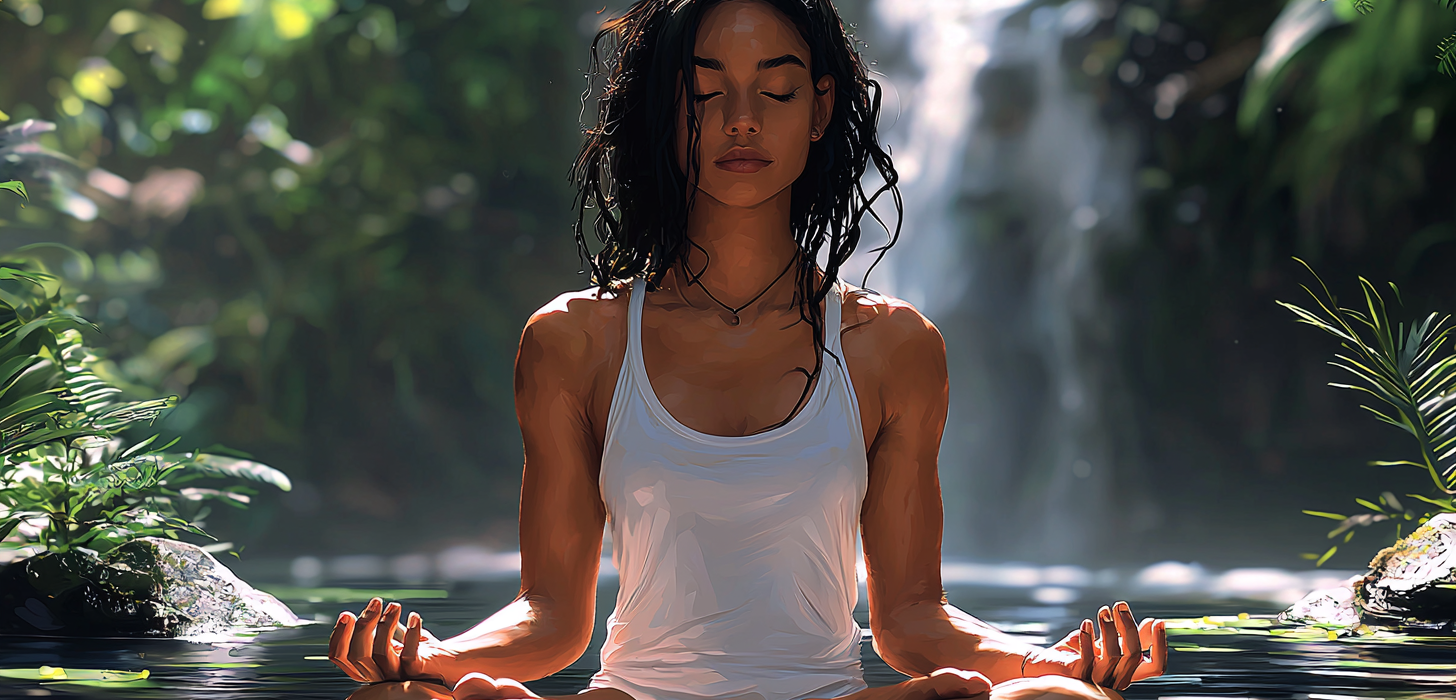
Midjourney prompt for the cover image: "A serene meditation scene in a peaceful setting with a person practicing mindfulness on a soft mat, surrounded by nature. The backdrop includes lush greenery, gentle streams, and softly glowing ambient lights, creating a calming atmosphere. The camera angle captures the individual's peaceful expression with a focus on the deep breathing technique, emphasizing tranquil surroundings. The style is sketch cartoon with soft colors and a soothing mood, illustrating the concept of inner peace and relaxation."