

Introduction to Singapore’s Cigarette Restrictions
Singapore has established itself as a global leader in public health, particularly through its stringent laws on tobacco consumption. As the battle against smoking-related illnesses continues, the city-state has implemented a series of restrictions aimed at reducing smoking rates and protecting the health of its citizens. This article delves into the various aspects of Singapore’s cigarette restrictions, exploring their origins, framework, enforcement, public perception, and the impact on smoking behaviors.
The Historical Context of Tobacco Control in Singapore
Tobacco has had a long history in Singapore, dating back to colonial times when it was popular among various ethnic groups. However, as awareness of the health risks associated with smoking grew, the Singapore government initiated its tobacco control journey in the late 20th century.
Key milestones include:
- Introduction of Tobacco Control Laws (1970s): The government first introduced regulations on tobacco advertising and sales to minors.
- Comprehensive Smoking Prohibition (1992): The Public Health (Smoking) (Prohibition) Regulation came into effect, which banned smoking in public places such as schools, hospitals, and public transport.
- Health Promotion Board Initiatives: Throughout the years, the Health Promotion Board (HPB) has launched several campaigns to educate the public about the dangers of smoking, leading to increased public awareness and changing social norms.
Current Framework of Cigarette Restrictions
Singapore’s comprehensive framework consists of multiple regulations designed to control the sale and consumption of cigarettes effectively. Some of the most notable regulations include:
1. Legal Age for Purchase
The legal age to purchase tobacco products in Singapore is 21 years old, making it one of the highest legal purchase ages globally. The aim of this legislation is to prevent young individuals from accessing cigarettes at an impressionable age.
2. Graphic Health Warnings
Cigarette packaging in Singapore must display large graphic health warnings that cover 75% of the front and back of the package. These warnings are intended to convey the severe health risks associated with smoking, including diseases like lung cancer and heart disease. This regulation was implemented as part of the Tobacco (Control of Advertisements and Sale) Act.
3. Point of Sale Display Ban
Tobacco products are prohibited from being displayed openly at points of sale. Retailers are required to store cigarettes out of sight and provide them only when requested by the customer. This measure aims to reduce impulse buying among smokers and non-smokers alike.
4. Restrictions on Advertising
Any form of advertising for tobacco products is banned in Singapore, including traditional media and digital platforms. This law extends to sponsorships or promotional events that involve tobacco brands.
5. Public Smoking Bans
Smoking is prohibited in many public areas, including:
- MRT stations and trains
- Bus interchanges
- Restaurants and food courts
- Parks and common areas
- Workplaces
Certain designated smoking areas are available; however, they are strictly regulated and must be at least 5 meters away from building entrances to prevent second-hand smoke exposure.
6. Increased Taxes on Tobacco Products
To discourage smoking, the government imposes high taxes on cigarette sales, affecting the price point for consumers. This tax strategy aligns with global best practices in combating tobacco use by making cigarettes less affordable.
Enforcement of Cigarette Restrictions
The enforcement of cigarette restrictions in Singapore is taken seriously, with various government agencies, including the Health Sciences Authority (HSA), the National Environment Agency (NEA), and the Singapore Police Force, responsible for compliance checks and penalties for violations.
Penalties for Non-Compliance
Individuals caught smoking in banned areas face substantial fines, while retailers failing to comply with sales regulations may be subjected to license suspensions or revocations. The strict enforcement of punishments has contributed to the effectiveness of Singapore’s tobacco control measures.
Public Perception and Responses
Singapore’s rigorous approach to tobacco control has garnered mixed responses from the public.
Support for Restrictions
Many residents support the regulations as necessary for public health. Surveys conducted by the Health Promotion Board have shown a general increase in awareness about the harms of smoking and a corresponding decline in smoking rates among youth. Many citizens appreciate the cleaner air and improved public spaces resulting from smoking restrictions.
Criticism and Concerns
Conversely, some critics argue that the restrictions may infringe upon personal freedoms and that some smokers feel marginalized or stigmatized. Concerns also exist regarding the potential for a black market for tobacco products, given the stringent laws governing public smoking.
The Impact of Restrictions on Smoking Behavior
The comprehensive legal framework around smoking in Singapore has shown notable results in changing societal behavior regarding tobacco use.
Decline in Smoking Rates
According to the National Health Survey, the prevalence of smoking among Singaporean adults dropped from 18.3% in 2004 to 10.6% in 2020. Increased public knowledge of the dangers of smoking and the effects of stringent regulations have played critical roles in this decline.
A Shift Towards Smoking Cessation
The government, alongside health agencies, has launched numerous cessation programs tailored to help individuals quit smoking. Support through counseling, nicotine replacement therapies, and digital health interventions has contributed to a growing trend of individuals seeking assistance in quitting smoking, further supporting the decrease in smoking rates.
Conclusion: The Path Ahead
As Singapore continues to combat the public health challenges posed by tobacco use, the city-state’s comprehensive cigarette restrictions illustrate a proactive approach to reducing smoking prevalence. Future measures may continue to evolve as public health campaigns adapt to changing societal attitudes and the introduction of alternative smoking products, such as vaping. The commitment to public health improvement reflects Singapore’s dedication to fostering a healthier society, setting an example for other nations to consider in tackling smoking and related diseases.
With these ongoing efforts, Singapore remains a front-runner in the race against tobacco, emphasizing the importance of education, regulation, and community support in achieving lasting change.
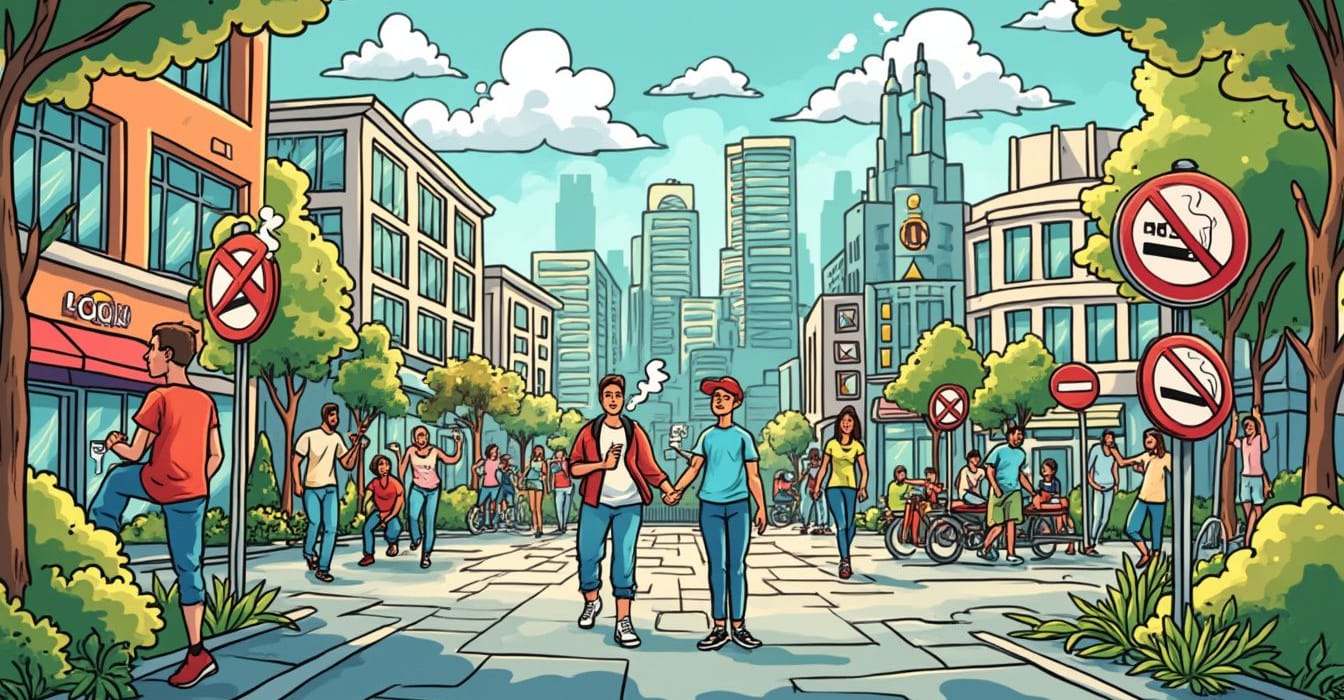
Midjourney prompt for the cover image: A stylized illustration of a vibrant cityscape with a focus on public health initiatives against smoking, featuring no smoking signs, healthy citizens engaging in outdoor activities, and elements symbolizing clean air and wellness, depicted in a Sketch Cartoon Style.