

Japanese culture is an intricate tapestry woven from centuries of tradition, innovation, and adaptation. This incredibly diverse culture encompasses a wide range of areas from culinary arts and spiritual practices to modern entertainment and technological advancements. Despite being deeply rooted in history, Japanese culture continues to evolve, making it a dynamic and fascinating subject for both scholars and tourists alike. In this article, we will delve into various aspects of Japanese culture and explore their significance and impact both within the country and internationally.
The Art of Sound: Japanese Listening Rooms
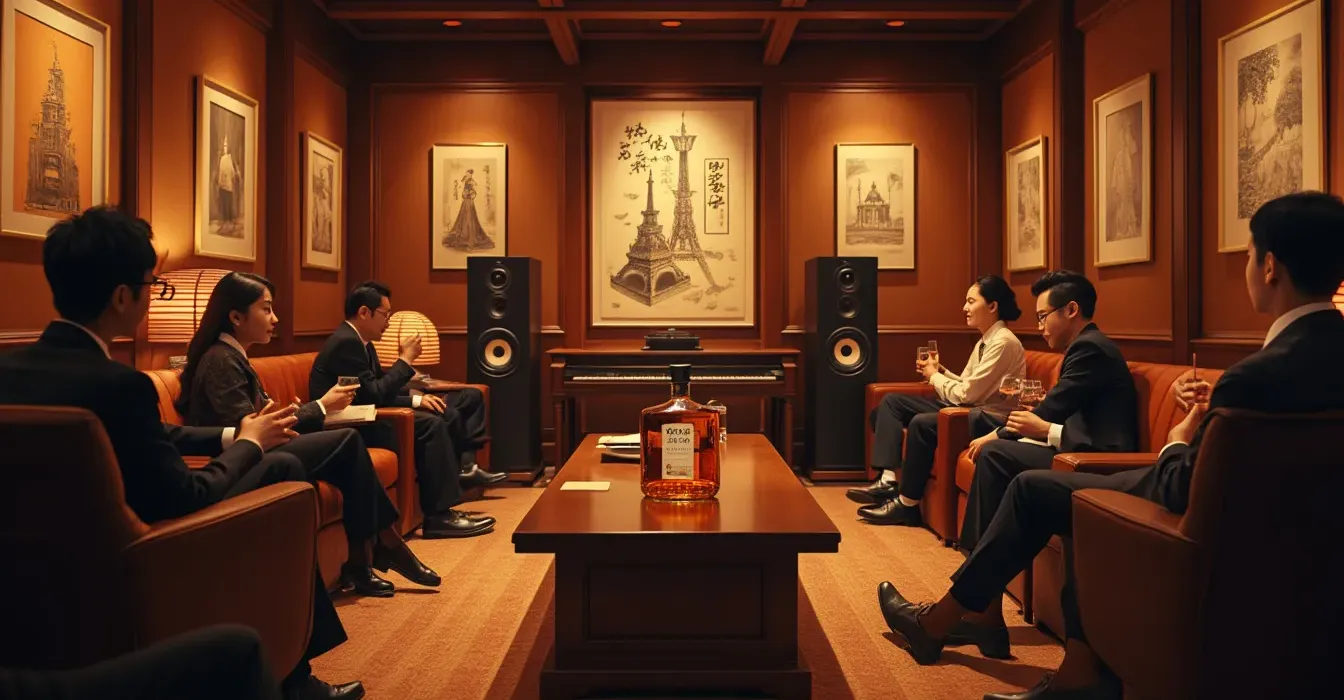
The concept of the Japanese listening room is a unique cultural experience that showcases the nation's dedication to meticulous auditory enjoyment. These rooms, known for their impeccable acoustics and an atmosphere that encourages deep listening, are part of urban life in Japan. Unlike typical bars or cafes, listening rooms focus primarily on sound quality and music appreciation.
A recent initiative to bring this experience to a wider audience is the pop-up speakeasy in New York City, inspired by traditional Japanese listening rooms. Launched by Zuma in partnership with Suntory whisky, this venture allows visitors to immerse themselves in a sophisticated auditory ambiance complemented by fine whisky. This cultural export underscores Japan's influence on global lifestyle trends and its ability to blend tradition with contemporary tastes.
Culinary Creativity: The Art of Food Replica
One of the most visually appetizing elements of Japanese culture is the creation of food replicas. These hyper-realistic models are displayed in restaurant windows and have become an integral part of Japan's culinary presentation. The practice traces back to the early 20th century and continues to thrive as both a craft and an attraction for tourists.
Visitors to Japan are often fascinated by these replicas and the skills involved in crafting them. Many workshops offer hands-on experiences where tourists can learn and create their own food replicas. This blend of art and cuisine not only offers a delightful introduction to Japanese culture but also highlights Japan's passion for detail and innovation.
Racing Traditions: The Alpine A110 Rally
Motorsports have a significant place in Japanese culture, appealing to a diverse audience both domestically and internationally. The Alpine A110 Rally's participation in the FIA World Rally Championship held in Japan showcases the country's enthusiasm for automotive events. With a dragon livery adorning the vehicle, this car is a symbol of the synergy between traditional symbols and modern mechanics.
Dragons are iconic in Asian cultures and often signify power and wisdom. The integration of such cultural elements into international sporting events reflects Japan's ability to maintain its cultural heritage while engaging with global audiences. It stands as a testament to how traditional symbols can find a modern context within contemporary competitions.
Technology and Aesthetics: Xiaomi 14T Pro Camera Test in Japan
Japan's landscape serves as a stunning backdrop for photography, making it an ideal location for testing new technology like the Xiaomi 14T Pro camera. Known for its affordability yet high-performing capabilities, this camera captures the vibrant streets of Japan, encapsulating the country's blend of historic and modern elements.
Photography plays a significant role in documenting and sharing Japanese culture with the world. From ancient tea houses to bustling urban centers, the aesthetic diversity of Japan offers endless inspiration for photographers. This highlights how technological advancements contribute to cultural preservation and the global sharing of unique experiences.
Collaborations in Tourism and Entertainment
Japan's cultural influence extends into the realms of tourism and entertainment, evident in the recent partnership between JR East and Shochiku Co. This collaboration aims to enhance tourism experiences by combining traditional entertainment with modern services. Such strategic partnerships exemplify how Japanese companies leverage cultural assets to enrich both local and visitor experiences.
This initiative not only promotes cultural tourism but also solidifies Japan's reputation as a hub of creativity and hospitality. By offering integrated services that honor both the past and present, these collaborations ensure that cultural heritage is accessible, engaging, and continuously evolving.
Conclusion: Embracing the Heritage of Tomorrow
Japanese culture is a testament to the country’s ability to honor its past while embracing the future. Through listening rooms, culinary artistry, motorsports, technological advancement, and strategic partnerships in tourism, Japan continues to captivate global audiences. Each aspect of this rich culture tells a unique story, offering insight into a society that values tradition, precision, and innovation.
As Japan continues to influence and be influenced by other cultures, it remains a beacon of creative expression and cultural preservation. Whether through a sensory auditory experience in a listening room or the intricate perfection of a food replica, the cultural richness of Japan offers something for everyone to discover and appreciate.
Midjourney prompt for the cover image: A sophisticated Japanese listening room in NYC, with impeccable acoustics and patrons enjoying Suntory whisky, ambient lighting creating a cozy atmosphere; captured from a medium angle, focusing on the auditory experience and cultural immersion. Pixar style, mood is elegant and inviting.